
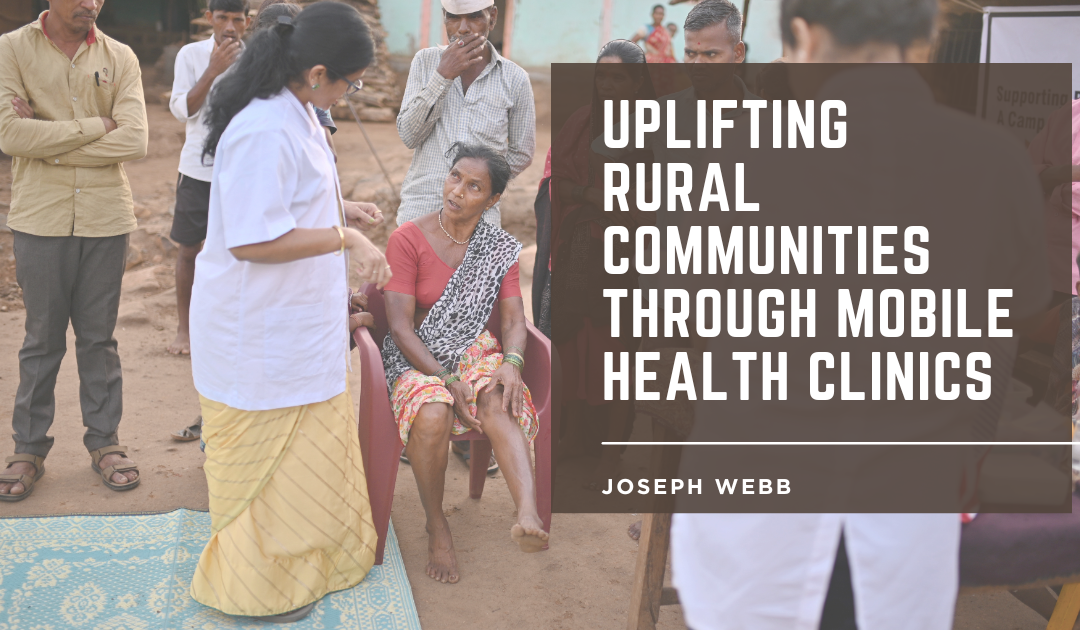
In the vast stretches of rural America, healthcare often feels like a distant promise rather than an accessible right. For millions living in remote or underserved areas, the nearest hospital or clinic could be hours away, making even routine medical care a challenge. This disparity in access leads to preventable illnesses, untreated conditions, and poorer health outcomes. Fortunately, mobile health clinics are emerging as a powerful solution to bridge this gap, bringing essential healthcare services directly to the communities that need them most.
Mobile health clinics are specially equipped vehicles staffed with healthcare professionals who provide a range of services—from routine check-ups and vaccinations to dental care and mental health counseling. These mobile units are not just about convenience; they are about equity and justice. By meeting people where they are, mobile clinics eliminate transportation barriers, reduce costs, and ensure timely medical interventions.
One of the most significant benefits of mobile health clinics is their ability to build trust within the communities they serve. Many rural residents are hesitant to seek care due to past experiences, cultural differences, or fear of judgment. The presence of a familiar mobile clinic that regularly visits their area fosters continuity of care and creates a safe, welcoming environment. Over time, patients build relationships with the providers, which leads to better communication and more effective treatment.
Beyond addressing immediate medical needs, mobile clinics play a vital role in preventive care. In areas where chronic conditions like diabetes, hypertension, and heart disease are prevalent, early detection and consistent monitoring can save lives. Mobile health units can perform screenings, offer nutritional counseling, and educate patients on healthy lifestyle choices, significantly reducing the burden of disease over the long term.
Mobile health clinics also serve as a critical line of defense during public health emergencies. During the COVID-19 pandemic, many mobile units pivoted quickly to provide testing, vaccinations, and health education. Their flexibility and mobility allowed them to reach populations that traditional healthcare systems could not, making them a vital tool in managing crisis response.
Another advantage lies in the cost-effectiveness of these services. According to studies, mobile health clinics can provide care at a fraction of the cost of traditional settings, making them an attractive option for both public and private healthcare providers. Additionally, by preventing emergency room visits and hospitalizations through early intervention, they help reduce the overall cost burden on the healthcare system.
These clinics also create economic opportunities in rural areas. From staffing and maintenance to partnerships with local organizations and suppliers, mobile health clinics generate employment and support local economies. They often collaborate with schools, churches, and community centers to identify needs, schedule visits, and amplify health education efforts.
To further improve their impact, many mobile clinics are integrating technology into their operations. Electronic medical records, telemedicine, and remote monitoring tools enable providers to offer consistent care and follow-ups. Patients can consult with specialists in urban hospitals without leaving their towns, and providers can track progress over time, ensuring continuity of care.
However, sustaining and expanding mobile health initiatives requires support from both public and private sectors. Investments in infrastructure, staff training, and data systems are essential. Policymakers must recognize the value these clinics bring and ensure they are funded adequately. Partnerships with nonprofits, universities, and local health departments can strengthen these programs and ensure their longevity.
Ultimately, mobile health clinics are more than just vehicles on the road; they are symbols of compassion, innovation, and commitment to health equity. They bring hope and healing to corners of the country that have long been overlooked. By uplifting rural communities through accessible, affordable, and personalized care, mobile clinics are helping to create a healthier, more just America—one mile at a time.