
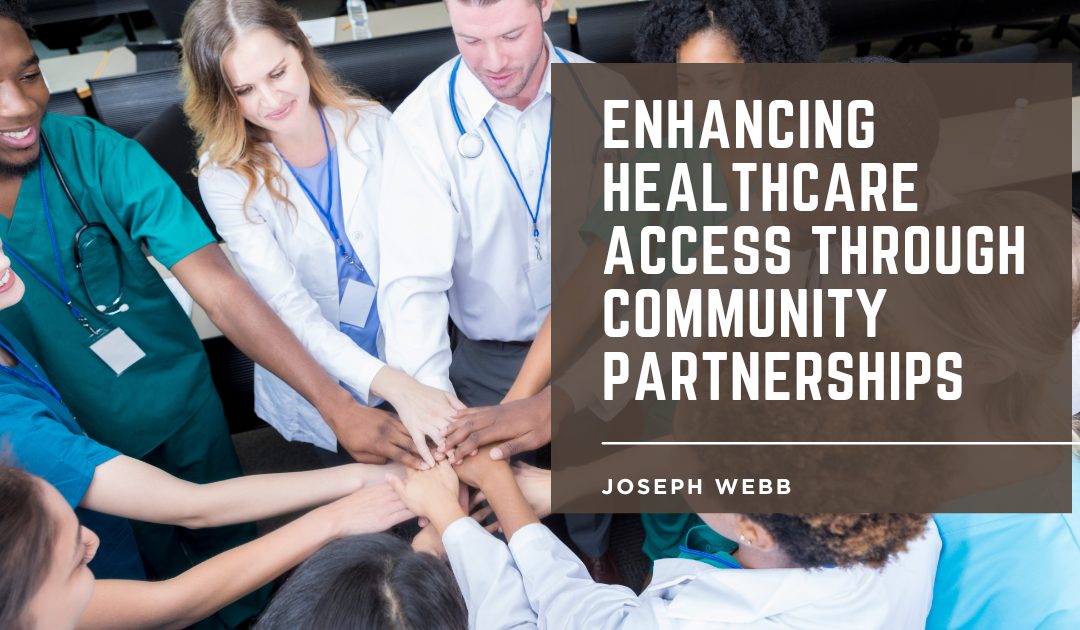
Access to quality healthcare remains a significant challenge for many communities across the United States. Factors such as geography, economic disparity, cultural barriers, and systemic inequities often prevent individuals and families from receiving the care they need. To address these challenges effectively, healthcare organizations are increasingly turning to a powerful strategy: community partnerships. By collaborating with local nonprofits, schools, faith-based groups, businesses, and government agencies, healthcare providers can extend their reach, improve outcomes, and create a more inclusive and accessible system for all.
Community partnerships are built on the recognition that health is not determined by clinical care alone. Social determinants—such as housing stability, food security, education, employment, and transportation—play a profound role in an individual’s health status. Hospitals and clinics alone cannot address all these variables. However, when healthcare institutions join forces with community organizations, they can tackle these broader issues and develop more holistic approaches to care.
One of the most impactful aspects of community partnerships is the ability to bring healthcare services directly into neighborhoods. Mobile health units, pop-up clinics, and community-based wellness programs are often the result of collaborative efforts. These services eliminate many of the traditional barriers to care, such as lack of transportation or fear of navigating unfamiliar systems. By meeting people where they are—whether it’s at a local church, school gymnasium, or community center—providers build trust and promote preventive care, especially in underserved populations.
Schools are key allies in improving healthcare access, particularly for children and adolescents. Through school-based health centers and partnerships with local clinics, students can receive physical exams, immunizations, mental health services, and reproductive health education without leaving campus. These partnerships reduce absenteeism and ensure children receive care in a safe, familiar environment. They also ease the burden on working parents who may struggle to coordinate appointments or afford time off.
Faith-based organizations play a vital role in many communities and are trusted voices among their members. Collaborating with churches, mosques, temples, and other religious institutions allows healthcare providers to conduct health screenings, host informational workshops, and distribute resources in a setting that is both welcoming and accessible. These partnerships are especially valuable in communities that may have historical mistrust of the healthcare system. Faith leaders can serve as bridges, helping to dispel myths, encourage health-seeking behavior, and reduce stigma around sensitive issues such as mental health or chronic illness.
Local businesses and employers also offer unique opportunities to expand healthcare access. Through workplace wellness programs, health fairs, and insurance navigation assistance, businesses can promote employee well-being and reduce long-term healthcare costs. Partnerships with small businesses can be especially impactful in areas with limited access to employer-sponsored health coverage. By providing space for community health events or supporting local healthcare initiatives, businesses contribute to a healthier workforce and community.
Public health departments and social service agencies are natural partners in this work. By coordinating efforts, these organizations can pool resources, align goals, and avoid duplication of services. For example, a city health department may team up with a local housing authority and a hospital to create a program that addresses asthma in children living in substandard housing. These collaborative efforts tackle the root causes of health issues and promote lasting change.
Community health workers (CHWs) often serve as the frontline representatives of these partnerships. Trained to provide education, advocacy, and basic health services, CHWs are deeply embedded in their neighborhoods and understand the unique needs of their clients. Supported by collaborative networks, they act as connectors—linking individuals to care, following up on treatment plans, and ensuring that no one falls through the cracks.
Technology also plays a critical role in enhancing community partnerships. Digital tools such as electronic health records (EHRs), telehealth platforms, and data-sharing agreements allow organizations to coordinate care more effectively. For instance, a patient receiving mental health services from a community nonprofit can be seamlessly referred to a medical provider for physical health concerns, with both parties remaining informed about the patient’s progress. These systems reduce fragmentation and lead to better health outcomes.
While community partnerships hold immense promise, they require intentional planning, mutual respect, and long-term commitment. Effective partnerships are grounded in shared goals, open communication, and a willingness to listen to the needs of the community. Healthcare providers must approach these collaborations not as saviors, but as allies—valuing the knowledge, experience, and leadership of local stakeholders.
Enhancing healthcare access through community partnerships is not a one-size-fits-all solution. Every community has its own strengths, challenges, and dynamics. But when healthcare systems work hand-in-hand with trusted local institutions, they can create innovative, sustainable, and culturally competent solutions that extend care to those who need it most.
Ultimately, building strong community partnerships is about shifting the focus from treatment to health promotion and equity. It’s about creating systems where care is not only available, but also reachable, relevant, and respectful. In doing so, we move closer to a future where everyone—regardless of zip code or income—can live a healthier life.