
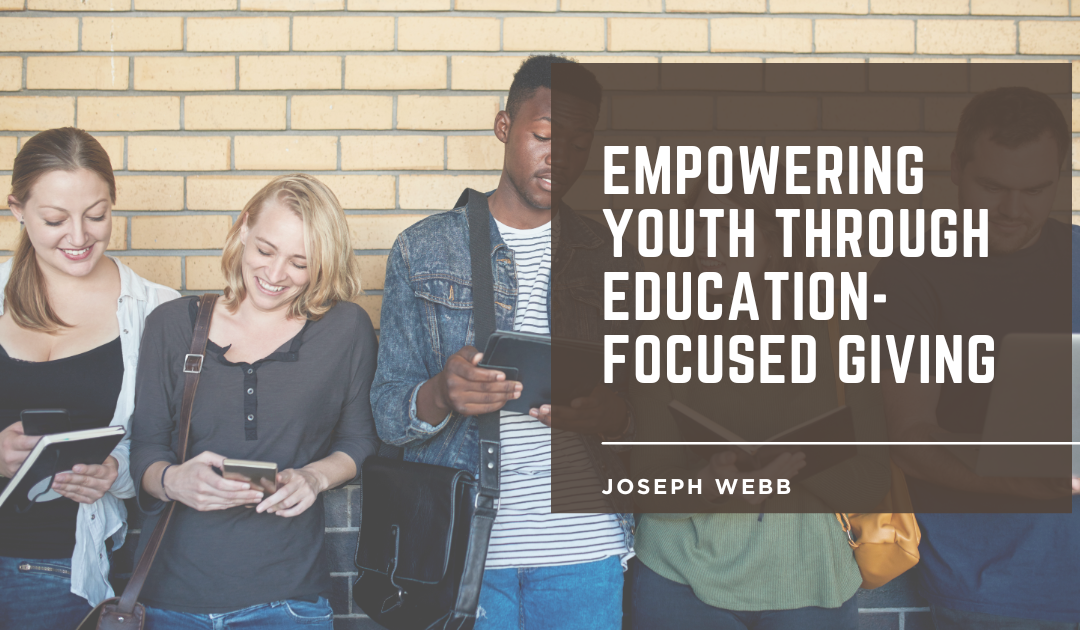
Empowering the next generation begins with education. Across America, countless youth face barriers to learning that limit their potential and threaten their future. Education-focused philanthropy seeks to break down these barriers by investing in tools, programs, and environments that allow every child to thrive. Through targeted giving, donors are not only funding schools—they are planting seeds of opportunity, resilience, and long-term societal progress.
Access to quality education is a fundamental right, yet millions of children, particularly those from underserved communities, encounter challenges such as overcrowded classrooms, outdated materials, and undertrained teachers. Education-focused giving addresses these disparities by channeling resources where they are needed most. From funding technology for remote learning to providing scholarships and mentorship programs, donors play a critical role in leveling the academic playing field.
One of the most impactful areas of giving is early childhood education. Studies consistently show that children who attend high-quality preschool programs are more likely to succeed academically and socially. Philanthropic support for these programs ensures that even families with limited financial means can access foundational learning experiences that prepare their children for kindergarten and beyond. This early investment often yields lifelong benefits, including higher graduation rates and reduced involvement with the criminal justice system.
Beyond the classroom, education-focused philanthropy often supports after-school and summer programs that keep youth engaged and inspired. These initiatives offer more than academic tutoring—they expose students to arts, sports, science, and leadership development in a safe, supportive environment. Such programs are particularly important in low-income neighborhoods where children may otherwise lack structured activities and positive role models.
Scholarships and college access programs are another vital component of education philanthropy. By reducing financial burdens and offering guidance through the admissions process, these initiatives help students from marginalized backgrounds pursue higher education and professional goals that might otherwise seem unattainable. In many cases, donors also provide career counseling, internship opportunities, and networking connections, fostering a comprehensive pathway to success.
Philanthropy also plays a crucial role in supporting educators. Teacher training, classroom grants, and leadership development programs help educators grow professionally and deliver more effective instruction. When teachers feel supported and valued, student outcomes improve. Education-focused donors who prioritize teacher well-being contribute to a more positive and sustainable learning environment for all.
Equity is a driving force in education philanthropy. Many initiatives specifically aim to close achievement gaps for students of color, students with disabilities, English language learners, and those living in poverty. Through culturally responsive curricula, inclusive teaching strategies, and targeted support services, donors help create learning spaces where every child feels seen and supported.
One often overlooked but essential element of education-focused giving is mental health and wellness. Stress, trauma, and mental illness can severely hinder a student’s ability to learn. Philanthropic investments in school counseling programs, mindfulness initiatives, and crisis response teams ensure that emotional and psychological needs are addressed alongside academic goals. These supports contribute to safer, more nurturing schools where students can focus and thrive.
Partnerships between philanthropists and public institutions also amplify impact. By aligning donations with public education goals, communities can maximize resources and scale successful programs. Collaborative models—such as community schools that offer healthcare, family services, and enrichment programs—illustrate how education-focused giving can be a catalyst for holistic youth development.
Perhaps the most powerful aspect of education philanthropy is its potential to inspire generational change. When one student gains access to quality education, it often transforms the entire family dynamic. Parents become more engaged. Siblings are motivated to follow suit. The community witnesses progress and begins to envision new possibilities.
In summary, empowering youth through education-focused giving is an investment in our collective future. It opens doors, nurtures talent, and creates conditions for young people to achieve their full potential. By addressing educational inequities and supporting both students and educators, donors become champions of progress and transformation. Whether through a scholarship fund, a literacy initiative, or a new school library, every act of giving makes a difference. The ripple effect is real—and it begins with education.