
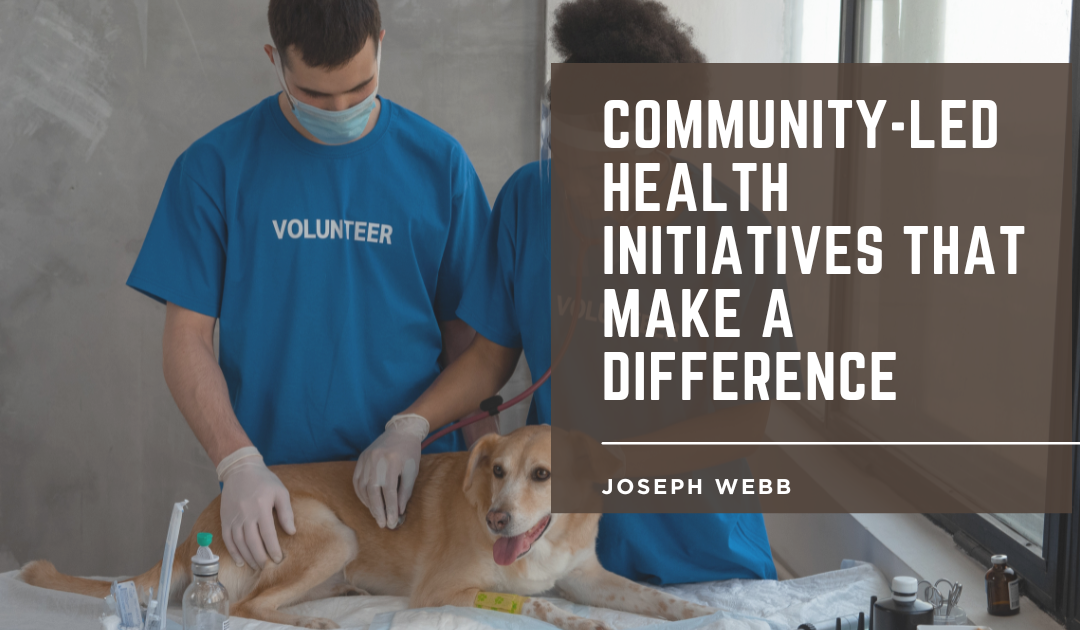
In communities across the United States, grassroots health initiatives are transforming lives. These community-led efforts, often built from the ground up, address local health concerns with tailored solutions that traditional healthcare systems might overlook. They are driven by passion, powered by volunteers, and rooted in the specific needs of their neighborhoods. As public health challenges grow more complex, these initiatives demonstrate the incredible power of local leadership and collaboration.
At their core, community-led health initiatives are about listening to the people most affected. These programs are often initiated by local residents, community leaders, or neighborhood organizations that understand the unique health challenges their populations face. Whether it’s addressing diabetes in an underserved urban neighborhood or promoting mental health in rural areas, the solutions arise from within the community, not from outside experts with a one-size-fits-all model.
A key strength of these initiatives is their cultural competence. Because they are grounded in the community’s values, beliefs, and social dynamics, they are better positioned to earn trust. For example, a health fair organized by a local faith-based group is likely to see more participation than a hospital-run campaign because it’s coming from a familiar and trusted source. Similarly, programs run in native languages or led by individuals from the same cultural background can bridge communication gaps that traditional healthcare providers may struggle with.
One striking example is the use of community health workers, or CHWs, who serve as liaisons between healthcare systems and residents. These individuals are typically from the community they serve and are trained to offer education, support, and advocacy. CHWs are especially effective in addressing chronic diseases such as asthma, hypertension, and diabetes by helping people understand their conditions and adhere to treatment plans. Studies have shown that the involvement of CHWs leads to improved health outcomes and lower healthcare costs.
Preventive care is another area where community-led efforts excel. Initiatives like free screenings, mobile clinics, and vaccination drives bring services directly to people who may not have easy access to a doctor. These programs are often held at community centers, schools, or churches, eliminating transportation barriers and making it easier for residents to participate. The results are tangible—early detection of illnesses, better management of existing conditions, and overall improved health literacy.
Nutrition and fitness are also common focal points. Community gardens, healthy cooking classes, and walking groups are simple yet effective ways to promote wellness. These activities not only improve physical health but also strengthen social bonds. When neighbors come together to grow vegetables or take a morning walk, they build a support system that encourages lasting change.
Mental health, often stigmatized and under-addressed, is another area benefiting from community involvement. Peer support groups, local therapy workshops, and school-based mental wellness programs are making mental healthcare more accessible and less intimidating. These grassroots efforts help normalize conversations about mental well-being and offer resources for those who might otherwise suffer in silence.
The success of these initiatives depends heavily on partnerships. When local residents join forces with nonprofits, healthcare providers, and local governments, the impact can be far-reaching. Funding from grants or local fundraising campaigns ensures that these programs remain sustainable. Training and technical support from healthcare organizations can improve the quality and effectiveness of the services provided.
Of course, community-led initiatives face challenges too. Funding shortages, burnout among volunteers, and bureaucratic hurdles can stall progress. However, the resilience and adaptability of these efforts often allow them to overcome such obstacles. With proper support, they can scale up and inspire similar efforts in other communities.
Ultimately, community-led health initiatives serve as a powerful reminder that healthcare isn’t just about hospitals and doctors—it’s about people coming together to care for one another. These efforts bring humanity back into the health equation and prove that when communities are empowered to lead, they can create meaningful, lasting change.