
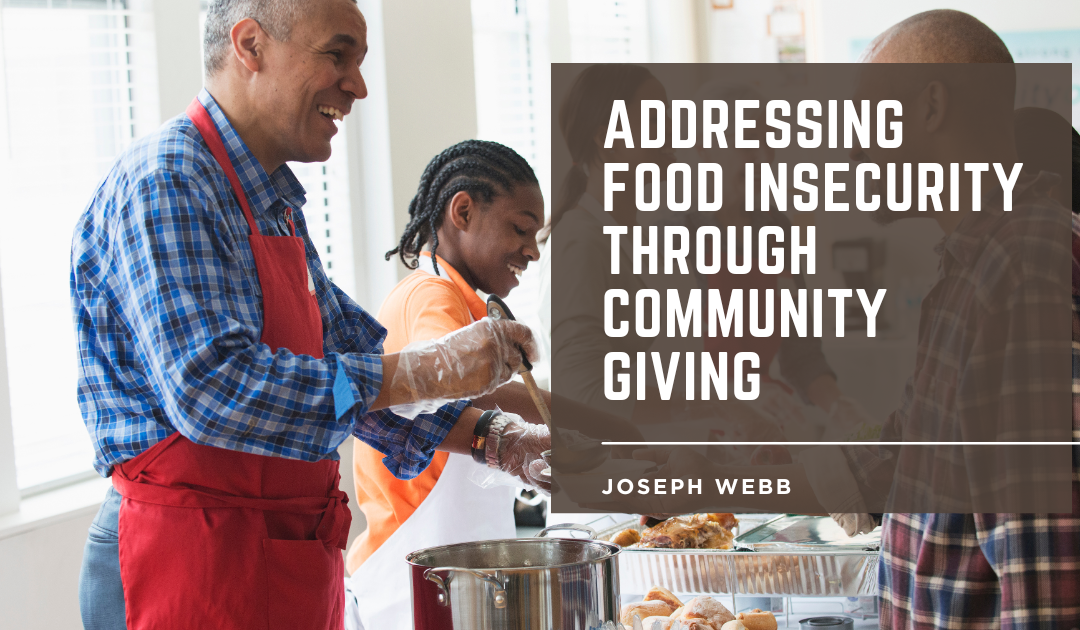
Food is a basic human need, yet millions of Americans go to bed hungry each night. Food insecurity affects families in urban centers, rural towns, and suburban neighborhoods alike, and its consequences stretch far beyond the dinner table. Hunger impairs children’s learning, impacts mental and physical health, and weakens entire communities. But there is hope—and it often begins with community giving.
Community giving plays a critical role in addressing food insecurity by mobilizing local resources, connecting neighbors, and filling the gaps left by public systems. Through donations of money, time, and food, individuals and organizations can provide immediate relief and help build long-term solutions that ensure every person has access to nutritious meals.
Food insecurity doesn’t always look the way people expect. It’s not just the homeless or unemployed—it’s working families who can’t afford rising grocery bills, seniors choosing between medication and food, and students relying on school lunches as their primary meal. Community giving recognizes these realities and responds with compassion and creativity.
Food pantries and meal programs are among the most visible examples of community-driven solutions. These grassroots efforts, often run by churches, nonprofits, or civic groups, provide free groceries or hot meals to those in need. While they rely heavily on volunteers and donations, their impact is immense. By feeding families and reducing financial pressure, they allow people to focus on other aspects of life, such as finding work, attending school, or caring for loved ones.
Community gardens are another powerful way to fight hunger. They transform vacant lots into spaces for growing fruits and vegetables, often in areas with limited access to fresh produce. These gardens not only supply healthy food but also educate residents about nutrition, gardening, and sustainability. Involving the community in food production fosters empowerment and pride while encouraging healthier eating habits.
Backpack programs and school meal initiatives ensure children don’t go hungry when they’re not in the classroom. On weekends and holidays, many kids have limited food access. Community donors help fill this gap by funding backpack programs that discreetly send meals home with students. Others support breakfast and lunch initiatives that ensure every child is fed during the school day, improving concentration, behavior, and academic performance.
Local businesses also play a critical role. Restaurants and grocery stores can partner with food banks to donate surplus food instead of discarding it. Corporate giving programs can match employee donations or host food drives. By aligning their resources with local needs, businesses become key players in creating food-secure communities.
Technology is opening new doors in the fight against hunger as well. Digital platforms allow donors to connect directly with families in need or sponsor meals through community kitchens. Crowdfunding efforts and mobile apps make it easier than ever to contribute to local hunger relief efforts and track impact in real time.
Addressing food insecurity through community giving also involves policy advocacy. Philanthropic organizations often support local leaders in pushing for expanded food assistance programs, better school meal standards, and stronger labor protections for food workers. By funding research and community organizing, donors help tackle the root causes of hunger, not just the symptoms.
Equity is a guiding principle in this work. Food insecurity disproportionately affects communities of color, immigrants, and low-income households. Culturally appropriate food options, translation services, and trust-based partnerships with local leaders are essential to ensuring that giving efforts truly reach and uplift the people they are meant to serve.
In many ways, food is a universal connector. Shared meals build relationships. Food distribution events bring together people from all walks of life. And when neighbors feed neighbors, communities grow stronger and more united. The impact of community giving is felt not just in calories, but in compassion.
In conclusion, food insecurity is a complex challenge, but community giving offers tangible, hopeful solutions. By supporting food banks, meal programs, school initiatives, and grassroots advocacy, communities can ensure that no one is left hungry. This collective effort is not just about feeding the hungry—it’s about building a more just, caring, and resilient society. When we give together, we grow together.